
Mosul
Mosul is a city and the center of Nineveh Governorate and is considered the second largest city in Iraq in terms of population after Baghdad with a population of nearly three million people. Mosul is about 400 km from Baghdad. The city is famous for trade with nearby countries such as Syria and Turkey. Most of the residents of Mosul speak the Mosuli dialect (Muslawi), which is somewhat similar to the northern Syrian dialects. This Mosuli dialect plays the largest role in preserving the identity of the city. The majority of the residents of Mosul are Arab Muslims from the Sunnis of the Hanafi school of thought and descend from six main tribes: Shammar, Jubur, Al-Bu Hamdan, Al-Dulaim, Tayy, and Al-Sayyid Al-Hayali. It contains the Bani Hilal branches that came from the Mardin Mountains and Tur Abdin in the Mahlami region in southeastern Turkey, and it contains various sects of Christians who belong to several churches, and it contains the Yazidis, Yarsanis (Kakai), Baha'is, and a minority of Kurds, Turkmen, and Shabaks, who constitute only 20% of the total population of Mosul. The largest dam in Iraq was built in Mosul, opened in 1986, and its name was Saddam Dam, then its name was changed to Mosul Dam after the fall of the Baath regime in 2003.
The modern Iraqi state would not have been formed in the early 1920s had Mosul not been annexed to it, which has remained the subject of intense tension between Britain and France since World War I, and between the French mandate authorities and Turkey, which did not give up Mosul until 1926, after signing the Ankara Treaty.
This city has gone through important events and various changes throughout history that have shaped the city into what it is today.
Origin of the name
According to Al-Baladi Yaqut Al-Hamawi, Mosul: with the opening and the breaking of the sad: the famous great city, one of the bases of the lands of Islam, few in comparison in size and grandeur and the abundance of people and the vastness of its area, it is a stopover for travelers and from it they head to all countries, it is the gate of Iraq and the key to Khorasan and from it they head to Azerbaijan and it was named Mosul because it connected between Al-Jazira and Iraq, and it was said that it connected between the Tigris and the Euphrates, and it was said that it connected between the country of Sinjar and Al-Hadithah, and it was said that the king who established it was called Mosul, and it is an ancient city on the edge of the Tigris and opposite it on the eastern side is Nineveh, and in the middle of the city of Mosul is the tomb of the Prophet George, and the biographers said: The first to establish Mosul was Rawand bin Bayurasaf Al-Azdahaq. The word Mosul is from the word (origin) and originates from the adverb of place of the verb connect. The word "Mosul" means a place where everything connects, trade, intercourse and sale.
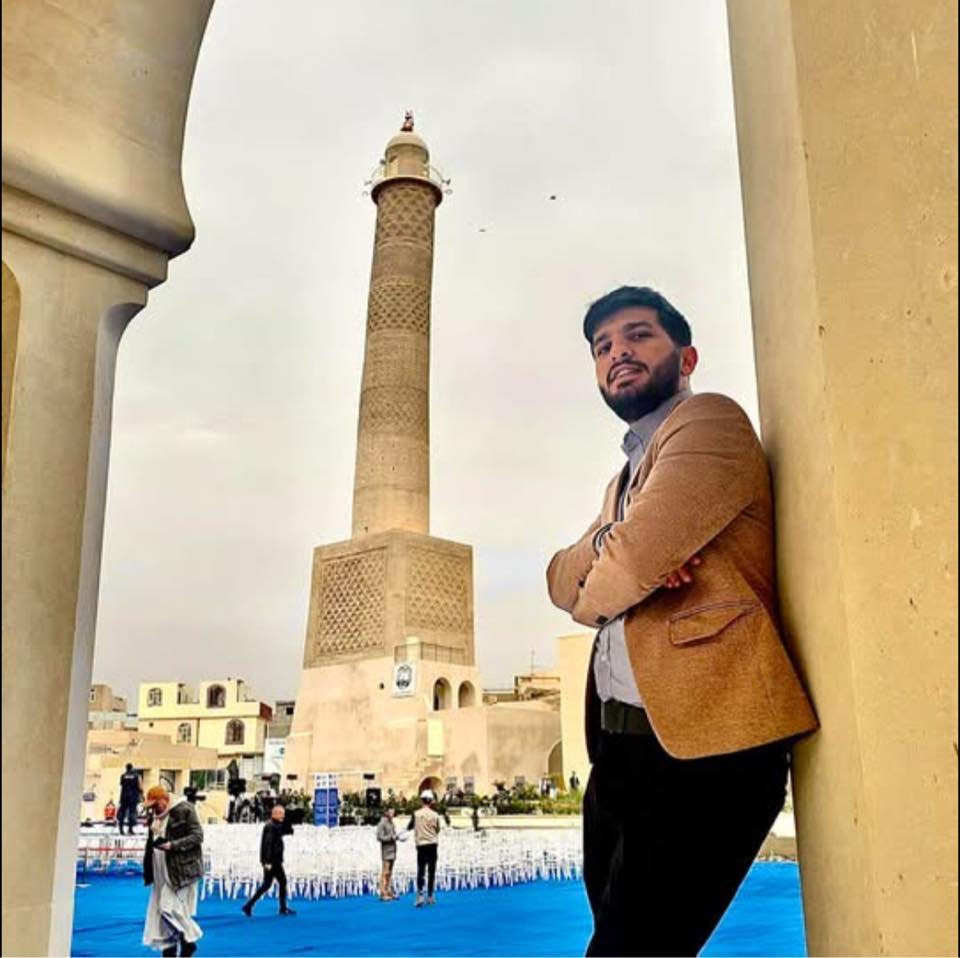
The meaning of the name Nineveh, which was the name of the city in the Akkadian era, is not known exactly, but it is likely to be related to the goddess Ishtar, the goddess of fertility in Mesopotamia, and that its ancient name was Nina. Another hypothesis traces the name of the city back to Aramaic, where the word Nuna (נונא) means fish. The entire city is still sometimes known as Nineveh (ܢܝܢܘܐ) or Athur (ܐܬܘܪ) among the Syriacs. The first mention of the modern name goes back to Xenophon, the Greek historian, in the fifth century BC, where he mentioned the existence of a small settlement under the name of Mpsila (in Greek: Μέπσιλα). However, whether this name refers to the same modern city is doubtful because it was located on the eastern bank of the Tigris River. On the other hand, it is likely that the word is of Arabic origin meaning "that which connects two things" because it connected between the island and Iraq, and it was said because it connected the Tigris and Euphrates rivers. The city is also known by several nicknames, such as Umm al-Rabi'in, due to its moderate weather in spring and autumn, making the spring season the longest, and al-Hadba, due to the hump of the Tigris River as it passes through it, or the hump of the minaret of the Great Mosque of al-Nuri.
History
Main article: History of Mosul
Assyrian period
Main articles: Nineveh and Assyria
The legendary Assyrian leader Ninus, who is considered the founder of the city according to Ctesias.
The village of Nabi Yunus in Mosul during World War I 1916-1919
The history of human settlement in the region dates back to before the Stone Age (6,000 BC), when humans settled in the plain extending east of Mosul, especially the confluence of the Khosr and Tigris rivers, due to the fertility of the region and the passage of trade caravans through it.
The exact date of the city's construction is not known; the first mention of the city of Nineveh came around 1800 BC. The worship of the goddess Ishtar was known in that region, so the city became famous at that time and news of Ishtar's miracles in t

40%
Mosul
Not rated
0 Review
Start Time: 7:00 AM
15H
from
$50
$30



The City Maps
Trip Ideas
FEATURED ARTICLE
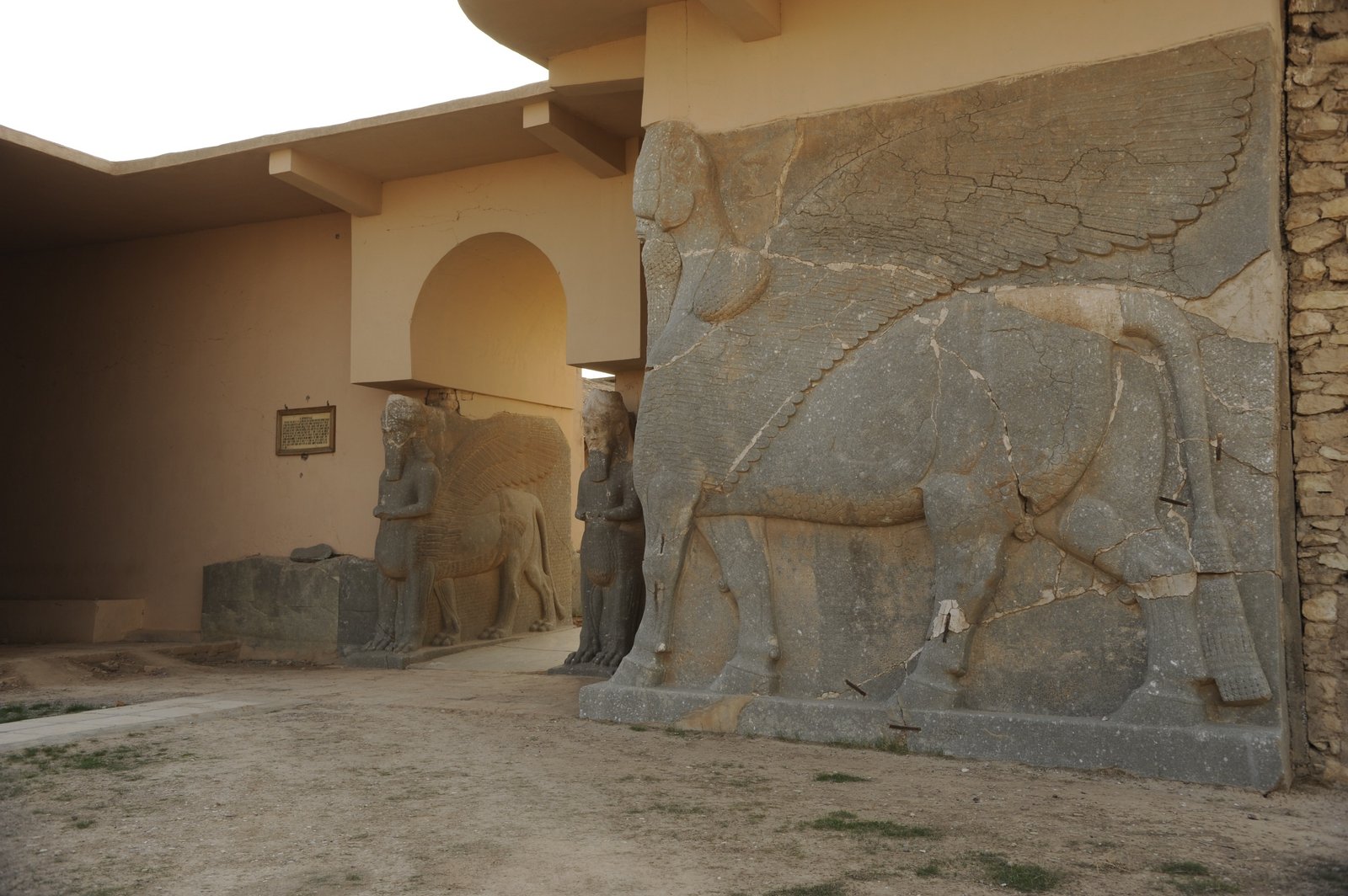
Ancient City of Nimrud
Ancient City of Nimrud: The military capital of the Assyrian Empire, featuring royal palaces, magnificent winged bull statues, and impressive stone reliefs.
FEATURED ARTICLE
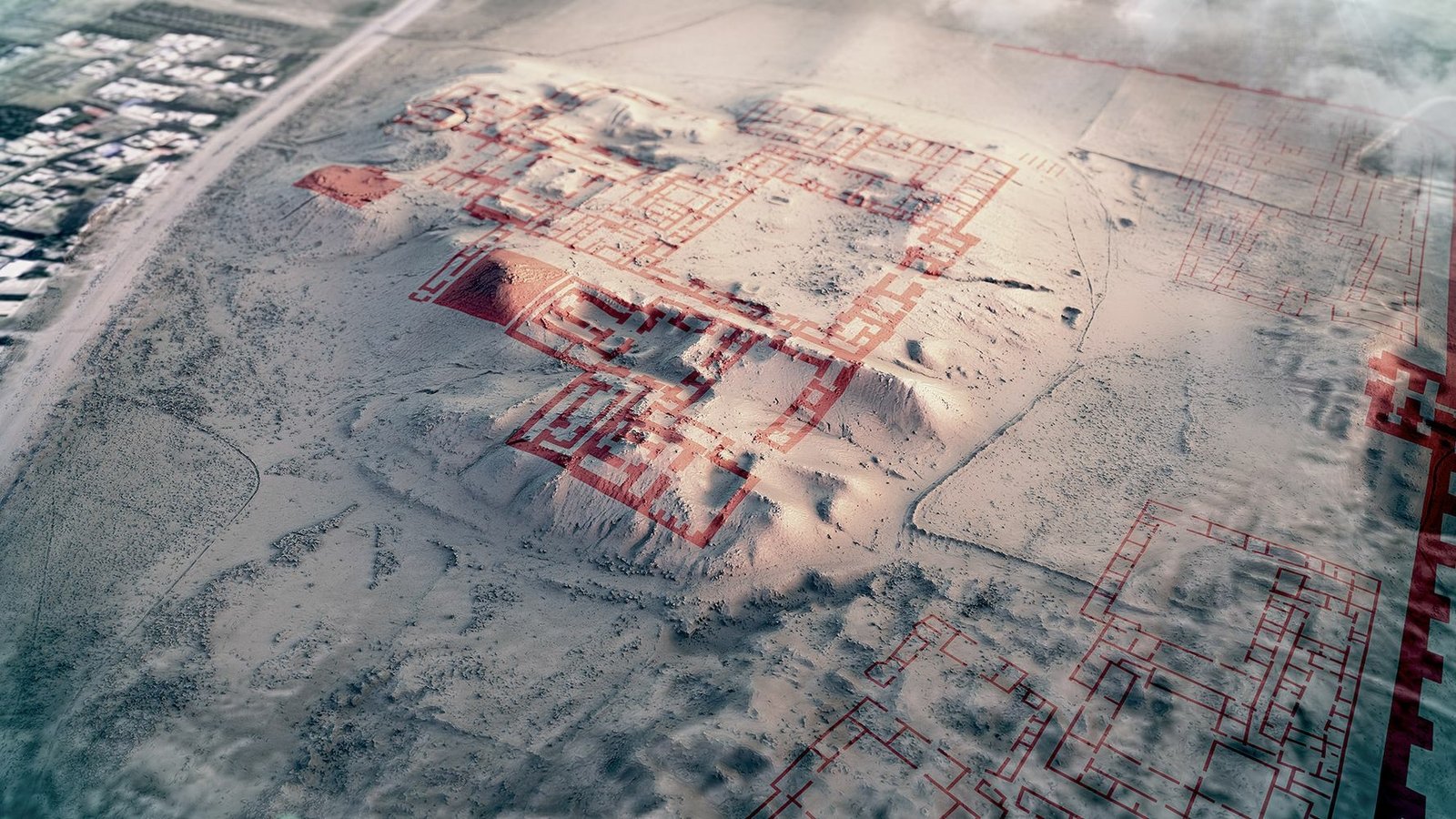
Ancient City of Khorsabad
Ancient City of Khorsabad (Dur-Sharrukin): The capital built by the Assyrian king Sargon II in the 8th century BC, famous for its monumental gates, royal palace, and colossal winged bulls.
FEATURED ARTICLE
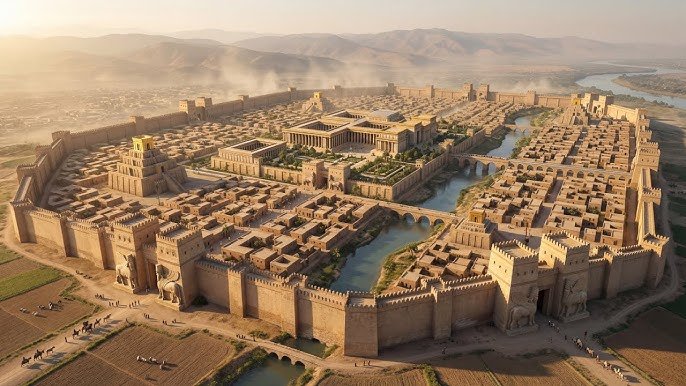
Ancient City of Nineveh
Ancient City of Nineveh: The ancient capital of the Assyrian Empire, featuring massive city walls and famous gates such as the Nergal Gate and Mashki Gate.
FEATURED ARTICLE
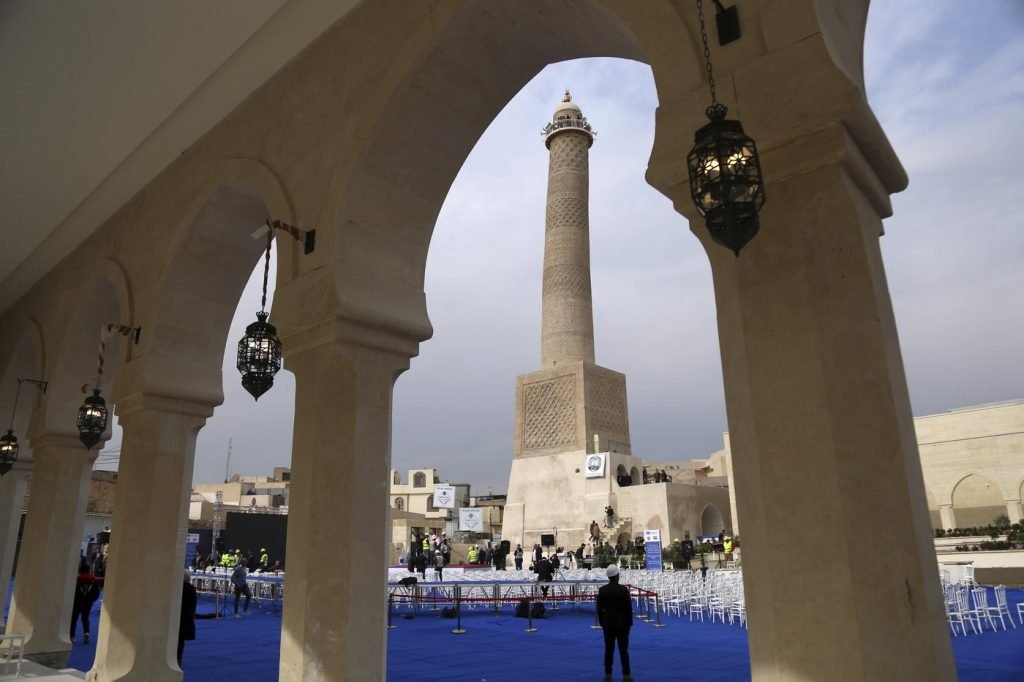
Mosul Old City
Mosul Old City: The historic heart of Mosul, known for its narrow alleys, traditional houses, and old markets that reflect the city's rich cultural heritage.
FEATURED ARTICLE
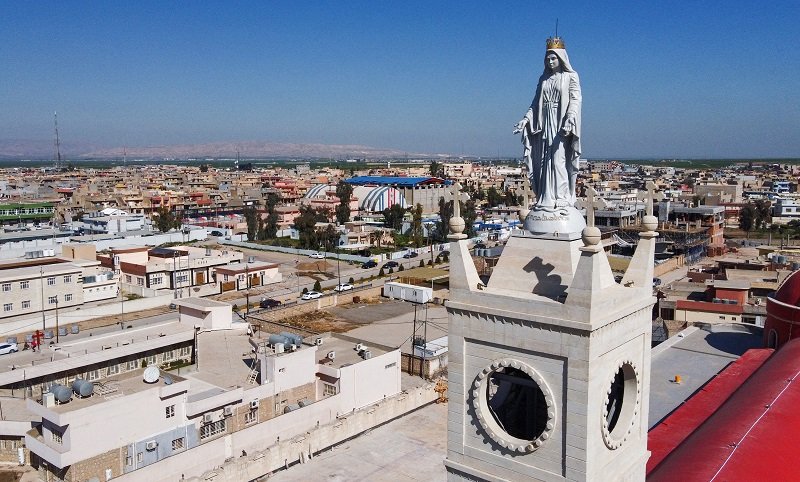
Baghdida (Qaraqosh)
Baghdida (Qaraqosh): The largest Christian town in Iraq, renowned for its historic churches and rich Syriac Christian heritage.
FEATURED ARTICLE
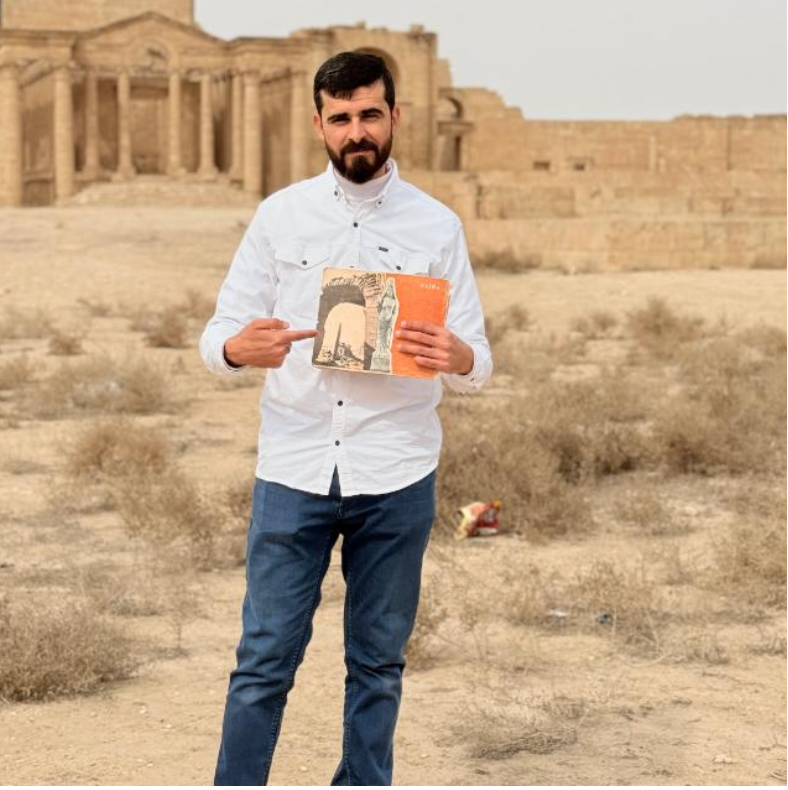
Ancient City of Hatra
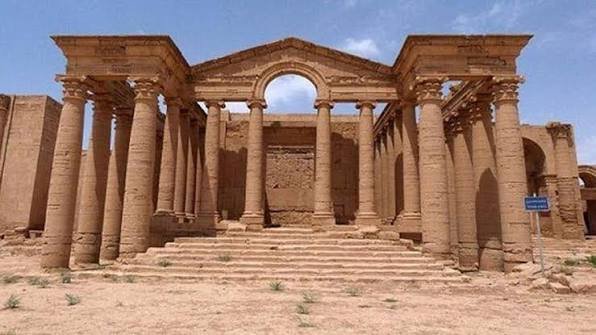
Ancient City of Hatra: A fortified city that flourished during the Parthian period, famous for its monumental temples and unique architecture. It is a UNESCO World Heritage Site.
Get Updates & More
Thoughtful thoughts to your inbox
Copyright © 2025 by Iraqi Guide

